

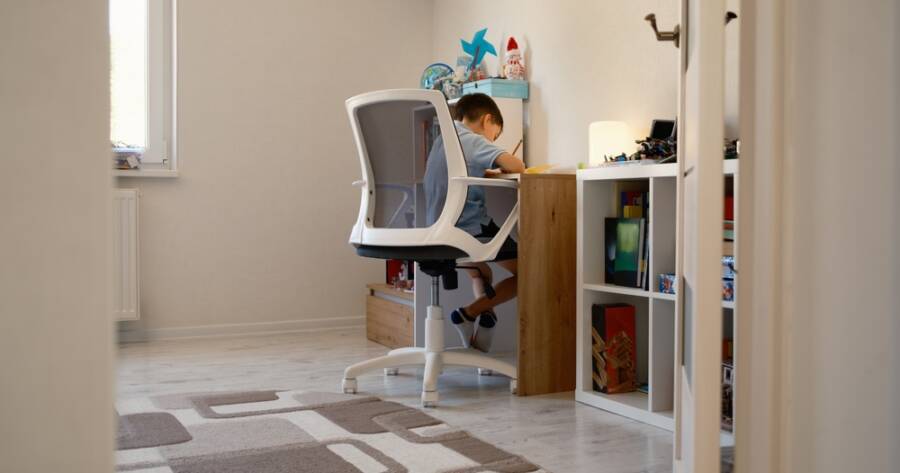
A well-designed study environment can play an important role in supporting concentration and academic productivity. Many students find it easier to focus when their surroundings are organized, comfortable, and have no distractions. Creating a dedicated space for studying may help establish routines that encourage consistent learning habits. With thoughtful planning and a few practical adjustments, students can create a home study area that supports focus, efficiency, and long-term academic success.
Choosing the Right Study Location
Selecting an appropriate place to study is one of the most important steps when building a productive environment. Quiet areas that experience fewer interruptions often help students maintain concentration for longer periods. A desk, table, or designated corner of a room may serve as a reliable location for regular study sessions.
Consistency also plays a role in productivity. Studying in the same location regularly can help the mind associate that space with focused work. When the environment remains consistent, it may become easier to transition into study mode and begin working more efficiently.
Keeping the Study Space Organized
An organized workspace can reduce distractions and help students focus on the material they are studying. Cluttered desks or scattered materials may create unnecessary interruptions during study sessions. Keeping essential items such as textbooks, notebooks, and writing supplies neatly arranged can make studying more efficient.
Using folders, storage containers, or desk organizers may help maintain order in the study area. When materials are easy to locate, students can spend more time concentrating on assignments rather than searching for supplies. A tidy environment often supports clearer thinking and better productivity.
Improving Lighting and Comfort
Proper lighting can make a significant difference in how comfortable a study space feels. Natural light may help create a more pleasant and energizing environment during daytime study sessions. Placing a desk near a window may allow more daylight to illuminate books, notebooks, and screens. When natural light is limited, desk lamps or overhead lighting can help ensure reading materials remain easy to see.
Comfort also contributes to productivity during study sessions. Supportive chairs and well-positioned desks may help reduce physical strain during longer periods of reading or writing. Adjusting chair height and desk placement can help maintain better posture while studying.
Reducing Distractions
Distractions often interfere with concentration during study time. Television, loud music, and frequent interruptions can make it difficult to maintain focus on academic tasks. Choosing a quiet location and limiting unnecessary noise may help create a more productive study environment. Some students also benefit from using headphones or background sound that supports concentration.
Digital distractions may also affect productivity. Notifications from phones, social media platforms, or messaging apps can interrupt concentration and break study momentum. Placing devices away from the study area or turning off notifications during study sessions may help maintain focus on assignments and coursework. Creating clear boundaries between study time and digital entertainment often helps support more productive learning.
Establishing a Consistent Study Routine
A structured routine can help students maintain productivity within their study environment. Scheduling regular study periods during the week may help build habits that support consistent learning. When study sessions occur at similar times each day, the brain may begin to associate those times with focused academic work. Predictable routines often help students transition into study mode more easily.
Some students find it helpful to divide study sessions into shorter time blocks with scheduled breaks. Brief pauses between focused study periods may help restore energy and maintain concentration. Planning study time in advance can also help students manage multiple assignments more effectively. Consistent routines often make studying feel more manageable and less overwhelming while supporting steady academic progress.
Designing a Space That Supports Learning
Creating a productive study environment at home involves balancing comfort, organization, and focus. A well-planned study area can help students develop habits that support consistent learning and improved academic performance. Small adjustments to lighting, organization, and location may significantly improve how effective study sessions feel.
As students experiment with different setups, they may discover which environments best support their concentration and motivation. A thoughtfully designed study space can encourage focus while helping academic work feel more structured and manageable. Over time, a reliable study environment may become an important part of maintaining strong study habits.