

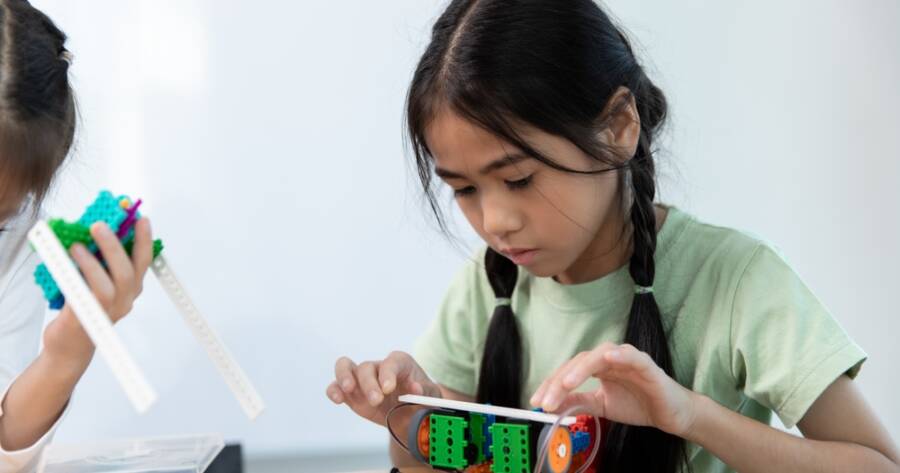
Critical thinking plays an important role in education by encouraging students to analyze information carefully and evaluate ideas thoughtfully. Rather than simply memorizing facts, students are encouraged to question assumptions, examine evidence, and consider multiple perspectives. Developing critical thinking skills may help learners approach complex problems with greater confidence and understanding. Strong analytical abilities can also support deeper learning, clearer reasoning, and more thoughtful engagement with academic material across many subjects.
Analyzing Information Carefully
Critical thinking begins with the ability to analyze information carefully. Students are often exposed to a wide range of ideas, arguments, and sources throughout their education. Books, articles, lectures, and digital resources may all present different perspectives on the same topic. Evaluating the reliability and relevance of information helps students determine which sources are most trustworthy and useful for academic work.
Careful analysis may involve examining supporting evidence, identifying assumptions, and considering possible biases. Students may compare information from several sources to determine whether conclusions are supported by credible research. Questioning how and why information is presented can also strengthen understanding.
Encouraging Independent Thinking
Education often encourages students to form their own ideas rather than relying solely on memorization. Independent thinking allows students to explore questions, evaluate arguments, and develop conclusions based on the information available to them. Instead of repeating ideas without reflection, students learn to examine topics more carefully and consider different perspectives. This process helps learners become more confident when expressing their ideas.
Classroom discussions, essays, and research assignments often provide opportunities for students to practice independent thinking. These activities encourage students to analyze information, organize their thoughts, and communicate their reasoning clearly. Considering multiple viewpoints may also help students develop balanced and thoughtful perspectives.
Improving Problem-Solving Skills
Critical thinking plays a key role in solving complex problems. Many academic subjects require students to analyze situations, evaluate possible solutions, and determine the most effective approach. Rather than relying on memorized answers, students often need to apply reasoning and logic when facing unfamiliar questions. Problem-solving skills often develop as learners practice examining information carefully and thinking through possible solutions.
Through activities such as case studies, projects, and discussions, students learn to consider different strategies when approaching challenges. Exploring multiple approaches can help students understand how different solutions may lead to different outcomes. Evaluating possible results helps students refine their reasoning skills and strengthen their ability to make informed decisions.
Evaluating Evidence and Arguments
Another important aspect of critical thinking involves evaluating the strength of arguments and evidence. Students frequently encounter a wide range of information from textbooks, media sources, and online materials. Carefully examining claims helps learners determine whether information is accurate, reliable, and supported by credible sources. Developing the ability to question and analyze information encourages thoughtful evaluation rather than immediate acceptance.
Students may examine sources, identify logical reasoning, and compare multiple viewpoints when evaluating arguments. Considering who created the information, what evidence supports it, and whether alternative perspectives exist can strengthen analysis. This process helps students recognize reliable conclusions while identifying weak or unsupported claims. Practicing careful evaluation of evidence helps build stronger reasoning and analytical skills.
Applying Knowledge to Real-World Situations
Critical thinking also allows students to apply academic knowledge to real-world situations. Concepts learned in classrooms often become more meaningful when students recognize how those ideas relate to everyday problems or broader societal issues. When students connect classroom learning to real experiences, the information often becomes easier to understand and remember.
Real-world examples, case studies, and practical applications may help students see how critical thinking functions beyond textbooks. Activities such as analyzing real scenarios, discussing current events, or solving practical problems can strengthen understanding. Connecting knowledge with practical experiences often reinforces long-term learning. Applying critical thinking in everyday situations can also support thoughtful decision-making in many areas of life.
Developing Lifelong Thinking Skills
Critical thinking skills often extend far beyond academic environments. The ability to analyze information, evaluate ideas, and solve problems can support success in many areas of life. Students who practice critical thinking during their education may carry these skills into professional and personal experiences.
Strong reasoning abilities can help individuals navigate complex situations, make informed decisions, and communicate ideas effectively. Developing critical thinking skills during education often supports lifelong intellectual growth. As students continue learning and exploring new ideas, these skills remain valuable tools for understanding the world.