

Anxiety is something many people deal with, whether it shows up as constant worry, trouble sleeping, or feeling overwhelmed during daily tasks. While it can feel difficult to manage, there are simple and practical ways to take control of certain feelings. Cognitive behavioral techniques focus on changing thought patterns and habits, and many apps now make key tools easier to use. By combining both, you can build steady routines that help reduce anxiety over time.
Understanding Cognitive Behavioral Techniques
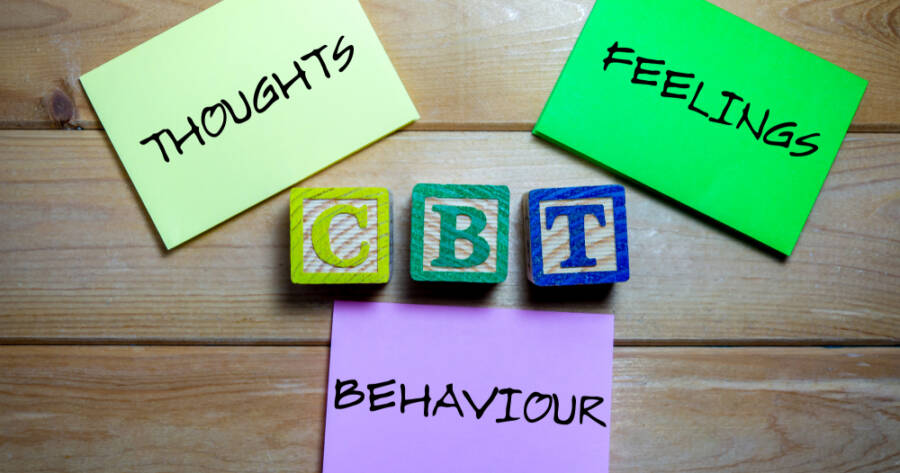
Cognitive behavioral techniques are based on the idea that thoughts, feelings, and actions are connected. When negative thoughts repeat, they can increase anxiety and make situations feel worse than they are. Learning to notice these thoughts is the first step toward managing them.
Once you recognize unhelpful thinking, you can begin to challenge it. For example, instead of assuming the worst outcome, you can ask yourself if there is real evidence to support that thought. This simple shift can reduce stress and help you respond in a calmer way.
Practicing Thought Reframing
One of the most useful techniques is thought reframing. This means taking a negative or anxious thought and replacing it with a more balanced one. It does not mean ignoring problems, but rather looking at them in a more realistic way.
For example, if you think, “I am going to fail,” you can reframe it as, “I may feel nervous, but I can prepare and do my best.” Writing these thoughts down can make the process clearer. Over time, this habit can reduce automatic negative thinking.
Using Behavioral Actions to Reduce Anxiety
Changing behavior is just as important as changing thoughts. Small actions can help break the cycle of anxiety. This might include taking short walks, practicing deep breathing, or gradually facing situations that feel uncomfortable.
Avoiding situations can make anxiety stronger in the long run. Instead, taking small steps to face them can build confidence. For example, if social situations feel stressful, starting with brief interactions can help you become more comfortable over time.
How Apps Support Daily Practice
Many apps are designed to help you practice these techniques in a structured way. They often include guided exercises, reminders, and simple tools for tracking your thoughts and feelings. This makes it easier to stay consistent, even on busy days.
Apps can also provide short exercises that fit into your routine while directly reinforcing CBT techniques. For example, apps like MindDoc and MindShift include structured tools such as thought records, where you identify and challenge negative thinking patterns, as well as mood tracking to help you recognize emotional trends over time.
Even apps such as Headspace and Calm, while primarily focused on mindfulness, support CBT principles by helping users build awareness of thoughts and reactions through guided exercises. These small, consistent actions make it easier to apply CBT skills in everyday life and gradually strengthen healthier thinking patterns.
Creating a Simple Daily Routine
Consistency is key when managing anxiety. Creating a daily routine that includes a few small practices can make a big difference. This might include starting your day with a short breathing exercise, checking in with your thoughts during the afternoon, and ending the day with a quick reflection.
Keeping your routine simple helps you stick with it. You do not need to spend a lot of time each day. Even a few minutes of focused effort can help you stay grounded and reduce stress over time.
Combining Techniques With Technology
Using both cognitive behavioral techniques and apps together can make the process easier and more effective. The techniques give you the tools to manage your thoughts and actions, while apps provide structure and reminders to keep you on track.
This combination works well because it fits into modern daily life. You can practice these skills wherever you are, whether at home, at work, or on the go. Over time, these habits can become part of your normal routine.
Build Steady Habits for Lasting Change
Managing anxiety is not about finding a quick fix but building steady habits that support your well-being. Cognitive behavioral techniques offer simple ways to change how you think and respond to stress, while apps make it easier to practice these skills every day. By starting small and staying consistent, you can create a routine that helps you feel more in control and better prepared to handle challenges.