

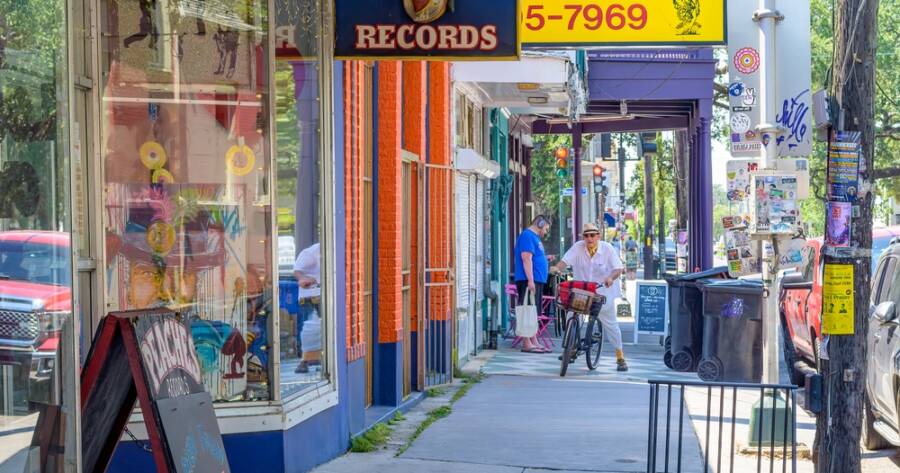
Bourbon Street is famous, but it is only one small slice of New Orleans. The city has quiet parks, music blocks, museum districts, historic homes, river views, and neighborhood streets that show a wider picture of local life. Travelers who step beyond the busiest party areas can build a more balanced trip. Several destinations make it easier to enjoy New Orleans through art, music, food, history, architecture, and slower walks that still feel full of energy.
1) Frenchmen Street
Frenchmen Street is one of the easiest places to start when moving beyond Bourbon Street. It is known as one of New Orleans’ best areas for live music, with jazz, reggae, blues, and other sounds coming from clubs along the street.
The area sits near the French Quarter, but the mood feels different. Instead of making the night only about bars, Frenchmen gives visitors a stronger music-first experience. It also has restaurants, independent shops, and a night art market, so travelers can build an evening that does not depend on one stop.
For a better visit, arrive before the night feels too crowded. Walk the block first, listen from outside a few venues, and choose the room that fits your mood. The best plan is flexible because music schedules and crowd levels can change from night to night.
2) City Park and the Besthoff Sculpture Garden
City Park is one of New Orleans’ best breaks from crowded streets. The park covers 1,300 acres and is free to enter daily. That gives travelers room to slow down, walk under trees, visit attractions, or plan a calmer part of the day.
One of the strongest stops inside the park is the Sydney and Walda Besthoff Sculpture Garden. It sits in the landscape of City Park and includes about 100 works. This makes it a good choice for visitors who want art without spending the whole day inside a museum.
City Park works well in the morning or late afternoon, especially when the weather is warm. Travelers can pair the sculpture garden with a casual walk, a stop near water, or time at the New Orleans Museum of Art nearby. It is a useful reset after a loud night out.
3) The National WWII Museum
The National WWII Museum is one of the strongest indoor destinations in New Orleans. Its exhibits are housed in four buildings and are organized around major themes of the war. The museum uses interactive features, oral histories, and personal stories to help visitors understand the war through people who lived through it.
This is not a quick filler stop. Travelers should give it enough time because the museum has a large campus and detailed exhibits. It works especially well for visitors who want history, air conditioning, and a more serious break from the city’s louder areas.
The museum is located on Magazine Street, which makes it easy to pair with nearby food, galleries, or shopping before or after the visit. For many travelers, this stop adds depth to a New Orleans trip because it shows that the city’s visitor experience is not limited to nightlife.
4) The Garden District
The Garden District gives visitors a quieter view of New Orleans architecture. The historic home area includes a 19-block stretch running from St. Charles Avenue to Magazine Street and from Jackson Avenue to Toledano Street. Many homes have plaques that share details about their past.
This area is best explored slowly. A self-guided walk can work well, but a guided tour may help visitors understand the homes, street layout, and neighborhood history. The appeal is not one single attraction. It is the full setting, with old houses, fences, porches, trees, and side streets working together.
Travelers should be respectful because this is also a real neighborhood. Keep voices low, stay on sidewalks, and do not treat private homes like public sites. A good Garden District visit feels calm, curious, and unrushed.
5) Magazine Street
Magazine Street is one of the best choices for travelers who want to spend time outside the French Quarter without leaving the city’s energy behind. The street runs for six miles and includes shopping, cafes, restaurants, bakeries, bars, and local stores.
Because Magazine Street is long, it helps to choose one section instead of trying to walk the whole thing. The Lower Garden District, Garden District, and Uptown sections each have a slightly different feel. Visitors can use it for a relaxed lunch, a shopping walk, or a slower afternoon between bigger attractions.
This destination also works well because it can be shaped around weather and time. If it rains, duck into shops and cafes. If it is sunny, walk a few blocks at a time and pause often. It is one of the easiest New Orleans areas to enjoy without a strict plan.
6) St. Charles Avenue Streetcar
The St. Charles Avenue streetcar is more than transportation. It gives visitors a moving view of Uptown, historic homes, old trees, and classic New Orleans streets. The St. Charles Avenue line runs through areas that connect downtown with Uptown.
This is a good choice for travelers who want to see more of the city without driving. It can also pair well with the Garden District, Audubon Park, or a Magazine Street stop. The ride is simple, but it works best when visitors treat it as part of the day rather than a fast way to get somewhere.
Give yourself extra time because streetcars may not move as quickly as a rideshare. That slower pace is part of the appeal. It lets you watch the city change block by block.
7) Audubon Park
Audubon Park is another strong destination for travelers who want green space. The park opened in 1898 and is known for oak trees, lagoons, and wide open areas. It sits in Uptown New Orleans, which makes it a good match for a St. Charles streetcar ride or a Magazine Street visit.
This park feels different from City Park. City Park is larger and has more attractions, while Audubon Park is often better for a simple walk, a slow break, or time under the trees. It is useful for families, couples, solo travelers, or anyone who wants a softer part of the day.
For a balanced itinerary, visit Audubon Park after a morning in the Garden District or before dinner Uptown. It gives the trip a slower rhythm and helps keep New Orleans from feeling like one long crowded street.
Travel Tips for Seeing More Than Bourbon Street
A better New Orleans trip often comes from grouping nearby destinations. This keeps the day easier and reduces wasted time moving across town. For example, the Garden District, Magazine Street, Audubon Park, and the St. Charles streetcar can fit together better than scattered stops across the city.
It also helps to plan around heat, rain, and crowds. Outdoor areas are often better earlier or later in the day, while museums can be smart midday stops. Comfortable shoes matter because many of the best areas involve walking.
- Pick one main neighborhood per half-day instead of chasing too many stops.
- Use the streetcar when time is flexible, not when you are in a rush.
- Book major museum or tour plans ahead when possible.
- Keep a backup indoor option for rainy or very hot weather.
- Leave room for food stops because New Orleans is better when the day is not overplanned.
- Be respectful in residential areas, especially the Garden District.
A Better Way to See New Orleans
The best New Orleans trip does not have to ignore Bourbon Street, but it should not stop there. Frenchmen Street gives visitors a stronger music-focused night. City Park and Audubon Park add quiet green space. The National WWII Museum brings history into the trip. The Garden District, Magazine Street, and the St. Charles streetcar show how much character exists outside the most crowded blocks.
A good plan is simple: choose one lively area, one quiet area, one cultural stop, and one neighborhood walk. That mix gives the trip more texture without making it feel packed. New Orleans is at its best when travelers slow down, listen, look around, and let different parts of the city shape the day.