

Gardening can be a rewarding activity that brings beauty, fresh produce, and a sense of accomplishment. However, beginners and experienced gardeners alike sometimes encounter challenges that affect plant growth. Many common gardening issues result from simple mistakes related to watering, sunlight, soil care, or plant spacing. Recognizing common problems early can help gardeners make better decisions when caring for plants. Understanding frequent gardening pitfalls may also support healthier gardens and encourage more consistent plant growth throughout the season.
Planting in the Wrong Location
One of the most common gardening mistakes involves planting in locations that do not match a plant’s needs. Many plants require specific levels of sunlight, soil conditions, and space in order to grow properly. Placing sun-loving plants in shaded areas or shade-tolerant plants in full sunlight may limit their ability to thrive.
Before planting, gardeners often benefit from observing how sunlight moves across the garden throughout the day. Some areas may receive full sun, while others remain partially shaded. Selecting planting locations that match the requirements of each plant can improve growth and help gardens remain healthy.
Overwatering or Underwatering Plants
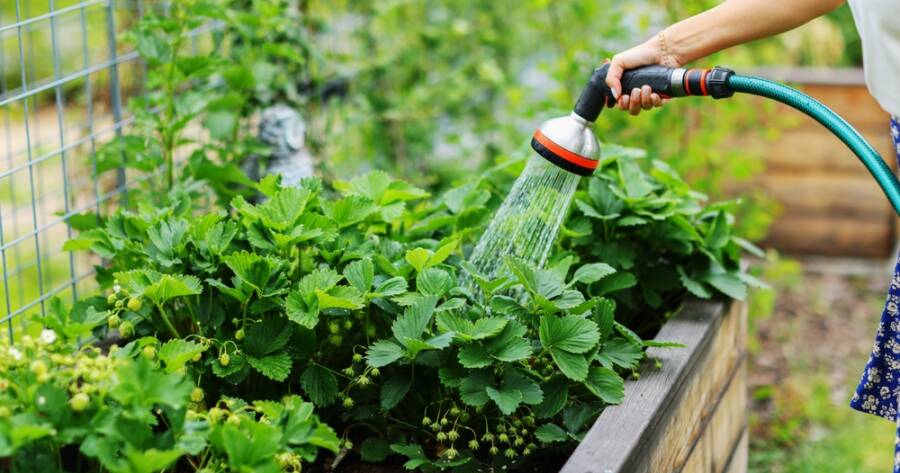
Watering mistakes are another frequent challenge in gardening. Some plants suffer when soil remains overly saturated, while others may struggle when water is too limited. Both overwatering and underwatering can place stress on plants and affect root development.
Understanding how often each plant requires water can help prevent these issues. Soil moisture should generally remain balanced, allowing roots to absorb water while still receiving enough air. Checking soil conditions regularly and adjusting watering schedules based on weather and plant needs can support healthier growth.
Ignoring Soil Health
Healthy soil is essential for successful gardening, yet it is sometimes overlooked when new gardens are established. Soil provides nutrients, supports root development, and helps regulate moisture levels for plants. When soil lacks nutrients or becomes compacted, plants may struggle to grow even if they receive adequate sunlight and water. Poor soil conditions can limit root expansion and reduce a plant’s ability to absorb essential minerals.
Gardeners can improve soil health by adding organic materials such as compost, leaf mulch, or well-decomposed plant matter. These materials enrich the soil while helping improve its structure and ability to retain moisture. Soil that contains organic matter often drains more effectively and allows roots to spread more easily.
Planting Too Closely Together
Crowding plants too closely together is another common mistake, particularly when gardeners hope to maximize limited garden space. While dense planting may appear efficient at first, plants often require sufficient room for roots, leaves, and stems to grow properly. When plants compete for nutrients, sunlight, and water, growth may become limited and some plants may struggle to survive.
Proper spacing allows plants to receive adequate airflow and sunlight throughout the garden bed. Improved air circulation can help reduce the risk of plant diseases that thrive in damp or crowded environments. Following recommended spacing guidelines for each plant helps ensure that roots and foliage have room to expand.
Neglecting Regular Garden Maintenance
Gardens require consistent attention in order to remain healthy throughout the growing season. When routine care is overlooked, weeds may spread quickly and compete with plants for water and nutrients. Pests or plant diseases may also develop more easily if problems go unnoticed. Even a well-planned garden can begin to decline if regular care is neglected.
Routine tasks such as removing weeds, trimming damaged leaves, and checking plants for signs of stress can help maintain garden health. Regular observation allows gardeners to identify potential issues before they become difficult to manage. Spending a few minutes each day or several times a week in the garden helps ensure plants remain strong and productive.
Learning and Growing Through Gardening Experience
Gardening often becomes a learning process that develops through practice and observation. Even experienced gardeners encounter challenges related to weather, soil conditions, or plant health. Each season provides opportunities to refine techniques, experiment with new plants, and better understand how different plants respond to changing conditions.
Recognizing common gardening mistakes can help gardeners make adjustments that support healthier plant growth. Paying attention to plant needs, soil quality, and regular maintenance can improve overall garden performance. As knowledge and experience grow, many gardeners discover greater confidence in managing their gardens.