

Energy efficiency plays an important role in maintaining a comfortable home while managing long-term utility costs. Small improvements in daily habits and home design can help reduce unnecessary energy use. From upgrading lighting to improving insulation, many simple changes can make a noticeable difference over time. Efficient homes often rely on a combination of thoughtful upgrades, routine maintenance, and mindful use of household systems. Over time, improvements may help support both comfort and long-term energy savings.
Improving Home Insulation
Proper insulation helps regulate indoor temperatures throughout the year. Well-insulated walls, ceilings, and floors reduce the amount of heat that escapes during colder months while helping maintain cooler indoor temperatures during warmer weather. As a result, heating and cooling systems may operate more efficiently.
Many homeowners focus on areas where heat commonly escapes, such as attics, basements, and exterior walls. Sealing small gaps or cracks around windows, doors, and vents may also improve insulation performance. Over time, improved insulation can help create a more comfortable indoor environment while reducing energy consumption.
Upgrading to Energy-Efficient Lighting
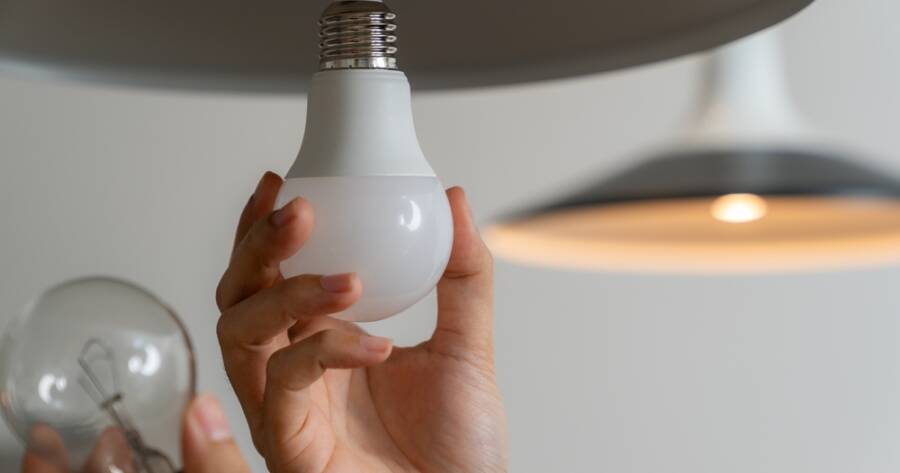
Lighting plays a significant role in household energy use. Replacing traditional bulbs with energy-efficient alternatives such as LED lighting can help reduce electricity consumption. LED bulbs often use less energy while providing consistent brightness and longer lifespans. Because they last longer than many traditional bulbs, they may also reduce the frequency of replacements over time.
Strategic lighting choices may also improve energy efficiency throughout the home. Using natural daylight during daytime hours can reduce reliance on artificial lighting, especially in rooms with large windows. Placing lamps in frequently used areas instead of relying solely on overhead lights may also help reduce overall electricity use.
Using Energy-Efficient Appliances
Household appliances contribute significantly to daily energy consumption. Modern energy-efficient appliances are designed to perform the same tasks while using less electricity or water. Refrigerators, dishwashers, and washing machines with energy-saving features may help reduce long-term energy costs. Many newer appliances also include settings that allow users to operate them in more efficient ways.
Many appliances include energy ratings that help homeowners compare efficiency levels before making a purchase. Reviewing these ratings can help identify models that use less energy while still providing reliable performance. Choosing appliances designed with energy-saving technology can support a more efficient household.
Managing Heating and Cooling Systems
Heating and cooling systems often account for a large portion of household energy use. Regular maintenance, such as replacing air filters and scheduling system inspections, can help ensure these systems operate efficiently. Clean filters allow air to circulate more freely, reducing strain on heating and cooling equipment. Routine maintenance may also help extend the lifespan of these systems.
Programmable or smart thermostats may also help regulate indoor temperatures more efficiently. Adjusting temperatures during times when the home is unoccupied can reduce unnecessary energy use. Some thermostats allow homeowners to create schedules that automatically adjust heating or cooling throughout the day.
Reducing Energy Use Through Daily Habits
Daily habits can influence how much energy a household uses. Turning off lights when leaving a room, unplugging unused electronics, and using appliances efficiently can help reduce unnecessary electricity consumption. Even small adjustments, when practiced consistently, can contribute to meaningful reductions in household energy use. Developing mindful habits around lighting, electronics, and appliance use may help homeowners become more aware of how energy is used throughout the day.
Simple actions such as washing clothes with cold water or air-drying laundry when possible may also reduce energy demand. Running dishwashers or washing machines with full loads can help maximize efficiency while minimizing unnecessary energy use. Being mindful of how appliances and electronics are used throughout the day can help support a more energy-efficient household.
Creating a More Sustainable Home Environment
Improving energy efficiency often begins with small, practical steps that gradually make a home more sustainable. Upgrading lighting, maintaining appliances, and improving insulation can help reduce energy consumption while maintaining comfort. Even modest improvements in how energy is used can contribute to noticeable benefits over time. These adjustments may also help households manage utility expenses more effectively.
As homeowners continue to make thoughtful improvements, energy efficiency can become part of everyday living. Small changes in technology, home maintenance, and daily routines often work together to create a more balanced and efficient household environment. Paying attention to how energy is used throughout the home can encourage more responsible consumption habits.