

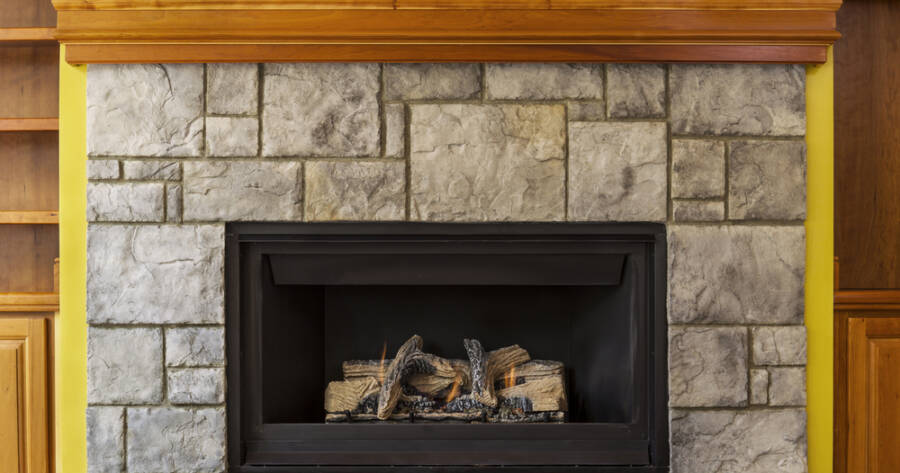
A traditional wood fireplace can be charming, but it also takes work. You need firewood, kindling, cleanup, and regular chimney care. A gas insert offers a different way to use the same fireplace opening, often with easier controls and steadier heat. Before planning the project, homeowners should understand how inserts work, what the existing chimney must support, and why installation is not a casual do-it-yourself job.
What a Gas Insert Actually Changes
A gas insert is a heating unit made to fit inside an existing fireplace, including many masonry fireplaces and some factory-built fireplaces. Instead of burning wood in the open firebox, the insert burns natural gas or propane inside a manufactured appliance that is built for that fuel type.
This change affects more than the look of the hearth. The fireplace becomes a gas-burning appliance, so the project may involve a gas line, venting parts, electrical needs for fans or controls, and local code approval. The old fireplace opening still matters, but the insert’s manual decides the allowed clearances, venting method, fuel setup, and installation limits.
Why the Existing Fireplace Needs an Inspection First
A gas insert is not meant to hide chimney problems. Before the insert goes in, the fireplace and chimney should be checked for damage, blocked passages, past chimney fire signs, missing parts, moisture issues, and other conditions that could affect safe use.
A deeper inspection may be needed when a system is changed, because accessible parts of the chimney, fireplace, and connected appliances may need to be reviewed. This step helps the installer decide whether the fireplace can accept an insert, whether repairs are needed first, and whether the chimney can support the required venting path.
Venting Is One of the Biggest Decisions
Many gas inserts use a direct-vent setup. A direct-vent combustion appliance brings outside air to the combustion chamber and sends exhaust outside through a sealed vent path. This matters because the unit is not simply using the old fireplace in the same way a wood fire did.
Direct venting can help reduce risks tied to indoor combustion air and exhaust movement, but it still has to be installed correctly. The vent system must match the appliance instructions and local rules, and the old chimney may need a listed liner or other approved parts rather than being used as an empty passage.
Natural Gas and Propane Are Not Interchangeable Without the Right Setup
Homeowners usually choose between natural gas and propane based on what is available at the house. Natural gas often depends on a local gas utility connection, while propane is commonly stored on the property in a tank.
The insert must be built or converted for the correct fuel. A homeowner should not assume a propane model can be connected to natural gas, or that a natural gas model can be connected to propane, without the manufacturer’s approved parts and a qualified installer.
Why Professional Installation Matters
A gas insert installation can involve gas piping, appliance connection, venting, clearances, and startup testing. Fuel-burning appliances should be installed according to the maker’s instructions and local codes, and many appliances should be installed by professionals.
This is also a permit issue in many places. Local building departments, fire marshals, or utility rules may affect the work, especially when a new gas line, chimney liner, or venting change is involved. A qualified installer can also confirm that the insert is the right size for the firebox, the gas supply is suitable, and the finished setup can be serviced later.
Safety Concerns Homeowners Should Plan For
Carbon monoxide is a key safety concern with any fuel-burning appliance because it cannot be seen, smelled, or tasted. A gas fireplace insert should not be used as a reason to skip carbon monoxide alarms, appliance service, or manufacturer instructions.
Homes with fuel-burning appliances should have working carbon monoxide alarms where required by local rules. The insert should also be serviced on the schedule recommended for the appliance, because poor operation, blocked venting, or damaged parts can create safety issues.
How a Gas Insert Changes Daily Use
A gas insert can make a fireplace easier to use because it removes the need to store wood, build a fire, manage ashes, or wait for a wood fire to die down. Fireplace inserts are designed to turn an existing fireplace into a more useful heat-producing zone, rather than letting much of the heat escape up the chimney.
Some inserts also include blowers, remotes, thermostatic controls, or electronic ignition. These features can make the fireplace feel more like a controlled heating appliance than a traditional open hearth, but they also mean homeowners should keep manuals, model numbers, and service records in one place.
What to Ask Before Choosing an Insert
The first question is whether the existing fireplace can accept the type of insert you want. The answer depends on firebox size, chimney condition, venting route, clearances, fuel access, and the insert’s listing.
The next question is what the insert is supposed to do. Some homeowners mainly want flame appearance, while others want more room heat. Heating equipment choices can affect home energy use, so shoppers should compare models by the information provided for the appliance rather than by looks alone.
FAQ
Can any wood fireplace be converted with a gas insert?
No. The fireplace opening, chimney, clearances, and venting path must be suitable for the specific insert. A damaged chimney, undersized firebox, or incompatible factory-built fireplace may limit the options or require repairs before installation.
Is a gas insert the same as a gas log set?
No. A gas insert is a manufactured appliance that fits into an existing fireplace, while a gas log set is usually installed inside the firebox to create the look of burning logs. The right choice depends on the fireplace, venting plan, heat goals, and local code rules.
Does a gas insert still need a chimney?
Many inserts use the existing chimney as the route for venting, but they may require a liner or another approved vent system. The chimney should not be treated as automatically ready just because it worked for wood fires in the past.
Can I install a gas insert myself?
This is not a good project for most homeowners to handle alone. Gas appliances should be installed according to the manufacturer’s directions and local codes, and many fuel-burning appliances should be installed by professionals.
Do I still need carbon monoxide alarms after installing a gas insert?
Yes. Any appliance that burns fuel can be a possible carbon monoxide source if it is damaged, poorly vented, or not working correctly. Alarms, proper installation, and regular maintenance all matter.
Will a gas insert heat better than an open wood fireplace?
A fireplace insert is meant to improve the usefulness of an existing fireplace by creating a more controlled heat-producing zone. The actual result depends on the model, room size, home layout, venting, and how the unit is operated.
A Safer Upgrade Starts With the Fireplace You Already Have
Adding a gas insert can make an old wood fireplace easier to use, but the project should begin with the existing fireplace, not the showroom model. The chimney, firebox, gas supply, venting route, and local rules all shape what is possible.
The safest path is to inspect first, choose a listed insert that fits the actual fireplace, and have the system installed and tested by qualified professionals. When those steps are handled carefully, a gas insert can turn a fireplace that feels messy or underused into a cleaner, simpler, and more useful part of the home.