

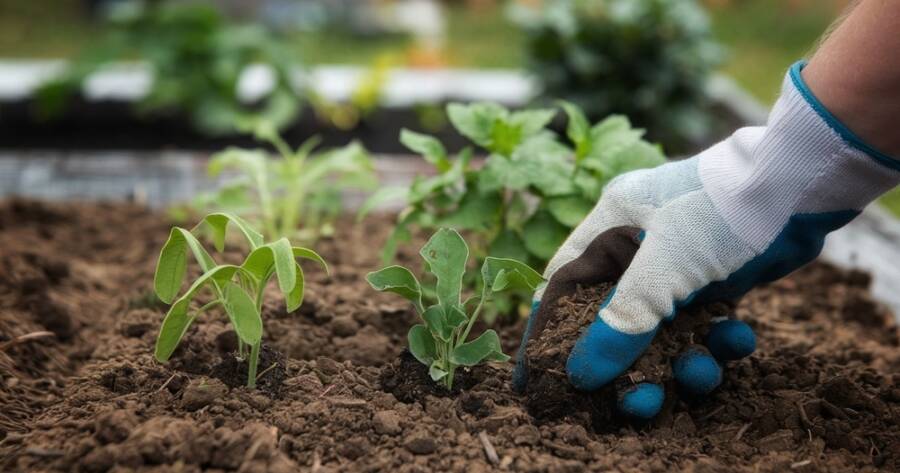
Gardening offers a rewarding way to connect with nature while creating a vibrant outdoor space. For beginners, starting a garden may feel overwhelming at first, but simple steps can help make the process more approachable. With thoughtful planning, suitable plant choices, and regular care, even small gardens can flourish. Learning the basic principles of soil preparation, watering, and plant selection can help new gardeners build confidence while enjoying the process of nurturing plants and watching them grow.
Choosing the Right Location for Your Garden
Selecting an appropriate location is one of the most important steps when starting a garden. Most plants require sufficient sunlight to grow well, so areas that receive several hours of sunlight each day are often ideal. Observing how sunlight moves across the yard can help determine the best place to plant flowers, vegetables, or herbs.
The location should also provide easy access to water and allow room for plants to grow comfortably. Gardens placed near a water source may be easier to maintain, especially during warmer months. A convenient location can also make daily garden care more manageable and enjoyable.
Understanding Your Soil
Healthy soil provides the foundation for successful gardening. Soil supplies plants with nutrients, water, and structural support for their roots. Before planting, many gardeners benefit from examining the texture and composition of the soil in their garden area. Soil that feels too compacted or drains poorly may require improvement before plants can thrive.
Adding organic matter such as compost can help improve soil structure and nutrient content. Compost may help soil retain moisture while still allowing proper drainage. Other natural materials such as leaf mulch or well-rotted manure can also enrich the soil over time.
Starting with Easy-to-Grow Plants
Choosing beginner-friendly plants can help make gardening more enjoyable during the early stages. Many herbs, leafy vegetables, and hardy flowers tend to grow reliably in a variety of conditions. Plants that require minimal maintenance may help new gardeners gain confidence while learning basic gardening techniques. Starting with resilient plants also allows beginners to focus on learning watering, spacing, and soil care.
Examples of beginner-friendly plants may include herbs like basil or mint, vegetables such as lettuce or radishes, and flowers like marigolds or sunflowers. These plants often grow quickly and respond well to simple care routines. Beginning with a small selection of plants can make garden care easier to manage while helping gardeners observe how plants develop over time.
Watering Plants Properly
Watering plays an important role in plant health. Most plants benefit from consistent watering that allows moisture to reach their roots without overwatering. Early morning watering is often preferred because it allows plants to absorb moisture before temperatures rise later in the day. Watering during cooler hours may also help reduce evaporation and allow moisture to reach deeper into the soil.
Gardeners may also consider how well soil retains water. Mulch placed around plants can help maintain soil moisture and reduce evaporation during warmer weather. Different plants may require different watering schedules depending on their size, location, and growing conditions.
Maintaining Your Garden Regularly
Regular garden care helps plants remain healthy and productive throughout the growing season. Tasks such as removing weeds, trimming damaged leaves, and checking plants for signs of stress can support plant growth. Small amounts of routine care often prevent larger issues from developing later. Spending a few minutes in the garden each day can help gardeners notice small changes in plant health.
Gardening can also involve adjusting care practices as plants grow. Some plants may require additional support structures, pruning, or spacing adjustments as they mature. Seasonal changes may also influence watering, sunlight, and maintenance needs. Observing plant development closely helps gardeners respond to changing conditions while gradually improving their gardening knowledge and skills.
Growing Confidence Through Gardening
Starting a garden often becomes a rewarding learning experience that develops gradually over time. Early successes, even with a small number of plants, can build confidence and encourage continued experimentation. Each growing season provides new opportunities to refine techniques and learn more about plant care.
Gardening also encourages patience and observation. Watching plants grow from seedlings to mature plants often creates a strong sense of accomplishment. As skills develop, many gardeners begin exploring new plants, expanding garden spaces, and discovering the satisfaction that comes from nurturing a thriving garden environment.