

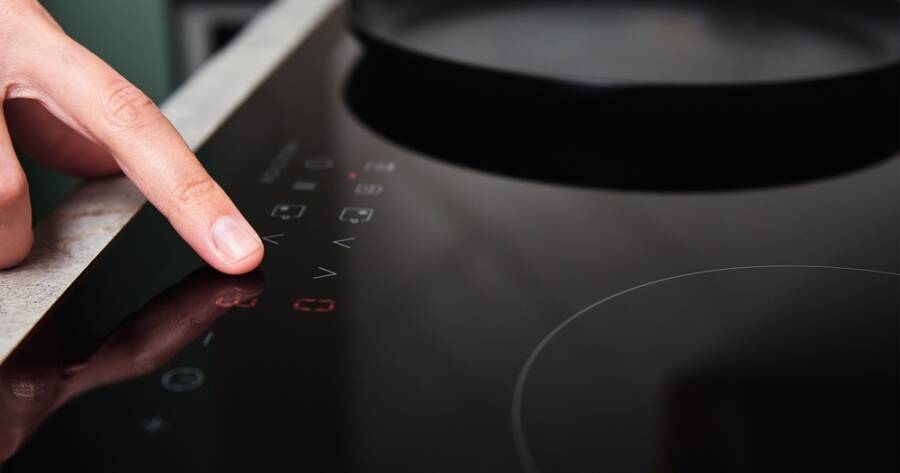
Many households in the United States are looking for better ways to cook meals quickly, safely, and with less wasted energy. Induction cooktops have become a popular option because they offer fast heating, simple controls, and a modern design that fits into many kitchens. Unlike traditional gas or electric stoves, induction technology works in a more direct way, which can improve both speed and performance. Understanding how induction cooktops work can help explain why they are becoming more widely used.
How Induction Cooking Works
Induction cooktops use electricity to create a magnetic field that heats the cookware directly. Instead of heating a burner and then transferring that heat to a pot or pan, the heat is generated right inside the cookware. This means less energy is lost during the cooking process.
Because the heat goes straight to the pan, the surface of the cooktop stays much cooler than other types of stoves. This makes induction cooking not only efficient but also safer. It also allows food to heat up faster, which can shorten cooking times and improve daily kitchen routines.
Faster Heating and Reduced Cooking Time
One of the biggest advantages of induction cooktops is speed. Since the heat is created directly in the cookware, water and food heat up much more quickly than on gas or standard electric stoves. This can make a noticeable difference when preparing meals, especially for busy households.
Faster heating also means less waiting between steps. For example, bringing water to a boil or heating oil for cooking can take much less time. This efficiency helps reduce overall cooking time, allowing people to prepare meals more quickly without sacrificing quality.
Precise Temperature Control
Induction cooktops offer a high level of control over heat settings. Users can adjust the temperature quickly and see immediate results. When the heat level is lowered, the cookware responds almost instantly, which helps prevent overcooking or burning.
This level of control is especially useful for recipes that require careful temperature management, such as sauces or delicate dishes. It allows cooks to maintain steady heat and make small adjustments as needed. This can improve both the cooking process and the final result.
Energy Efficiency and Lower Waste
Induction cooking is known for being more energy efficient than traditional methods. Because heat is directed straight into the cookware, very little energy is wasted. In contrast, gas and electric stoves lose heat to the surrounding air, which can make them less efficient.
Using less energy can also help reduce overall electricity use in the home. Over time, this can support more sustainable living habits. The efficient design of induction cooktops makes them a smart option for those who want to reduce energy waste while still cooking effectively.
Improved Safety in the Kitchen
Safety is another important benefit of induction cooktops. Since the surface does not get as hot as traditional burners, there is a lower risk of burns. The cooktop also cools down quickly once the cookware is removed.
Many induction models include built-in safety features such as automatic shut-off and pan detection. This means the cooktop will only work when suitable cookware is placed on it. These features help reduce the risk of accidents and make the kitchen a safer place for families.
Easy Cleaning and Maintenance
Induction cooktops have a smooth, flat surface that is easy to clean. Because the surface does not get extremely hot, spills are less likely to burn onto it. This makes cleanup quicker and simpler compared to traditional stoves.
A simple wipe with a cloth is often enough to keep the cooktop clean. There are no grates or coils to remove, which reduces the time spent on maintenance. This convenience adds to the overall efficiency of using an induction cooktop in daily life.
Compatibility with Cookware
Induction cooktops require specific types of cookware to work properly. Pots and pans must be made of materials that respond to magnetic fields, such as cast iron or certain types of stainless steel. Many modern cookware sets are designed to be induction-compatible.
While this may require checking or updating existing cookware, the benefits often outweigh the adjustment. Using the right cookware ensures the cooktop performs at its best and delivers the expected level of efficiency and speed.
A Smarter Way to Cook at Home
Induction cooktops offer a clear improvement in cooking efficiency through faster heating, precise control, and reduced energy waste. They also provide added safety and easier cleaning, making them a practical choice for modern kitchens.
For those looking to improve their cooking experience, induction technology presents a reliable and effective solution that supports both convenience and long-term efficiency.