

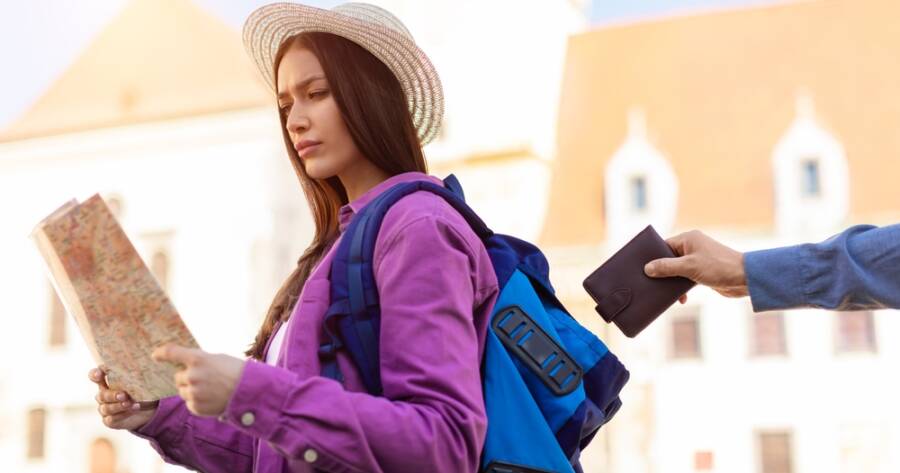
Travel can provide exciting opportunities to experience new destinations, cultures, and environments. While most trips go smoothly, preparing for potential challenges can help travelers feel more confident and organized during their journeys. Simple precautions, thoughtful planning, and awareness of surroundings can contribute to a safer travel experience. By practicing a few practical safety habits, travelers can focus more on enjoying their destination while remaining prepared for unexpected situations.
Researching Your Destination Before Arrival
Learning about a destination before traveling can help visitors better understand local customs, transportation systems, and safety considerations. Reviewing official travel information, local guidelines, and cultural expectations may help travelers feel more prepared upon arrival. Familiarity with local neighborhoods, transit routes, and emergency services can also make navigating a new place easier.
Research may also include checking weather patterns, health recommendations, or seasonal travel conditions. Knowing what to expect in advance allows travelers to plan appropriate clothing, transportation, and activities. Preparation helps reduce uncertainty while supporting a smoother travel experience overall.
Keeping Important Documents Secure
Travel documents are essential throughout any journey. Passports, identification cards, boarding passes, and travel confirmations should remain organized and easily accessible. Many travelers use document holders or secure travel wallets to keep important items together during transit. Having a designated place for these documents can make it easier to move through airports, hotels, and transportation checkpoints without unnecessary stress.
It can also be helpful to store copies of important documents in a separate location. Digital copies stored securely online or printed backups kept in luggage may provide useful references if original documents become misplaced. Some travelers also share copies with a trusted contact at home for additional security.
Staying Aware of Your Surroundings
Awareness of surroundings can help travelers identify potential risks and respond appropriately. Paying attention to nearby activity, transportation schedules, and unfamiliar environments may help individuals navigate destinations more confidently. Remaining attentive in busy areas such as transportation hubs or crowded attractions can also help reduce the risk of lost belongings. Observing how locals move through an area can also provide helpful clues about common routes and safe places to visit.
Travelers often benefit from trusting their instincts when situations feel uncertain. Moving toward well-lit areas, busy streets, or staffed locations may help provide greater security when exploring unfamiliar places. Asking local staff, hotel personnel, or official information centers for directions can also provide reassurance.
Using Reliable Transportation Options
Transportation choices can influence both convenience and safety while traveling. Many destinations offer reliable public transit systems, official taxi services, or licensed rideshare providers. Using well-known transportation options may help travelers avoid confusion or unexpected situations. Official transit stops and clearly marked vehicles often provide more dependable travel experiences.
Researching transportation options in advance can also be helpful. Understanding how local transit works, including payment methods, routes, and operating hours, allows travelers to move around more confidently. Some travelers review maps or download transportation apps before arriving at their destination.
Protecting Personal Belongings While Traveling
Keeping personal belongings secure is an important part of travel safety. Using bags with secure closures, keeping valuables close, and avoiding displaying expensive items may help reduce the likelihood of theft. Travelers often benefit from carrying only the items they need while leaving unnecessary valuables in secure locations. Simple habits such as keeping bags zipped and held close in crowded areas can also add an extra layer of protection.
Some travelers also use anti-theft bags or money belts to store essential items such as identification or payment cards. Lockable luggage or hotel safes may provide additional protection for valuables when not in use. Keeping belongings organized and regularly checking for important items may help prevent accidental loss.
Traveling With Awareness and Confidence
Safe travel often begins with preparation and awareness. Researching destinations, securing documents, and making thoughtful transportation choices can help travelers feel more prepared throughout their journey. When travelers take simple precautions, they may feel more confident exploring new places.
Confidence during travel often grows through experience and preparation. By staying aware of surroundings and practicing responsible travel habits, individuals can reduce potential risks while enjoying their destination. With careful planning and a thoughtful approach, travelers can focus on meaningful experiences while maintaining a strong sense of safety and peace of mind.