

Bringing plants into the home can add color, texture, and a sense of natural beauty to indoor spaces. Many plants also thrive with minimal care, making them suitable for busy households or beginner gardeners. Choosing plants that require limited watering and simple maintenance can make indoor gardening more manageable. With the right plant selections, homeowners can enjoy greenery indoors while maintaining a comfortable and easy-to-care-for living environment.
Low-Maintenance Plants at a Glance
| Plant | Best For | Light Needs | Watering Needs | Pet Note |
|---|---|---|---|---|
| Snake Plant | Upright corners, bedrooms, offices, and low-care spaces | Low to bright indirect light | Let soil dry well between waterings | Use caution around pets; commonly listed as toxic to cats and dogs |
| Pothos | Hanging baskets, shelves, bookcases, and trailing greenery | Low to bright indirect light | Water when the top soil feels dry | Use caution around pets; chewing can cause irritation |
| Spider Plant | Hanging planters, shelves, windowsills, and easy propagation | Bright indirect light is ideal, but it can adapt | Keep lightly moist, but avoid soggy soil | Generally considered a safer choice for cats and dogs, though chewing may still cause stomach upset |
| ZZ Plant | Low-light rooms, offices, hallways, and low-effort care | Low to bright indirect light | Water sparingly and let soil dry between waterings | Use caution around pets; keep away from chewers |
| Aloe Vera | Sunny windowsills, small stands, and dry indoor spots | Bright light or strong indirect light | Water deeply but infrequently, using well-draining soil | Use caution around pets; aloe is commonly listed as toxic to cats and dogs |
| Philodendron | Shelves, hanging baskets, climbing supports, and leafy displays | Bright indirect light, with some lower-light tolerance | Water when the top layer of soil dries | Toxic to cats and dogs; may cause mouth irritation and drooling if chewed |
| Peace Lily | Corners, plant stands, and rooms that need leafy growth with blooms | Bright indirect light, with some lower-light tolerance | Water when soil begins to dry or leaves start to droop | Toxic to cats and dogs; keep away from pets that chew plants |
Snake Plant
Snake plants are widely known for their durability and low maintenance needs. Their tall, upright leaves add a striking visual element to indoor spaces while requiring relatively little attention. These plants can tolerate a variety of lighting conditions, including low light and indirect sunlight.
Snake plants typically require infrequent watering, which makes them well suited for individuals who prefer simple plant care routines. Allowing the soil to dry between waterings can help support healthy growth. With minimal care, snake plants can remain attractive and healthy for long periods.
Pothos
Pothos plants are popular houseplants known for their trailing vines and heart-shaped leaves. Their flexible growth pattern allows them to thrive in hanging baskets, shelves, or tabletop planters. The vines can grow quite long, creating a cascading effect that adds visual interest to indoor spaces. Pothos plants also adapt well to a range of indoor environments and lighting conditions, which makes them a versatile option for many rooms in the home.
These plants often grow successfully with moderate watering and occasional trimming. Allowing the soil to dry slightly between waterings can help maintain healthy roots and steady growth. The vines can be pruned to control their length or encourage fuller growth.
Spider Plant
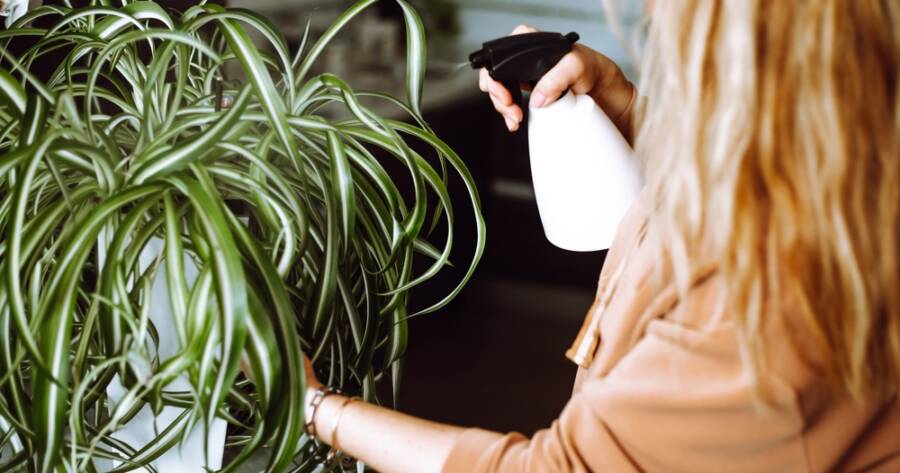
Spider plants are another easy-to-grow option that adapts well to indoor environments. Their long, arching leaves often develop small offshoots known as “plantlets,” which may eventually grow into new plants. These plantlets hang gracefully from the parent plant, giving spider plants their distinctive appearance. The cascading leaves and offshoots can add texture and movement to shelves, hanging planters, or windowsills.
Spider plants generally grow well in bright, indirect light and benefit from occasional watering. They are known for their ability to tolerate minor changes in indoor conditions, which makes them suitable for a variety of home environments. The plantlets can also be propagated to grow additional plants, allowing homeowners to expand their indoor garden easily.
ZZ Plant
The ZZ plant is valued for its glossy leaves and exceptional tolerance for low-maintenance care. This plant can grow well in low-light environments and typically requires only occasional watering. Its thick, waxy leaves reflect light and add a polished look to indoor spaces such as offices, living rooms, or hallways. Because it adapts well to a variety of indoor conditions, the ZZ plant is often chosen for areas that receive limited natural light.
ZZ plants also tolerate periods of neglect better than many other houseplants. The plant stores water in its thick stems and underground rhizomes, which allows it to survive longer periods between watering sessions. This natural ability helps the plant remain healthy even when care routines are inconsistent.
Aloe Vera
Aloe vera is both decorative and practical as an indoor plant. Its thick, succulent leaves store moisture, allowing the plant to thrive with relatively little watering. The plant’s upright, spiky leaves create a distinctive shape that works well on windowsills, shelves, or small plant stands. Aloe plants often grow best in bright areas where they receive several hours of sunlight each day.
In addition to being easy to maintain, aloe vera plants are known for the gel contained within their leaves. Many people keep aloe plants at home because the gel is commonly used for minor skin care purposes. The plant’s hardy nature allows it to grow steadily with only occasional watering and well-draining soil.
Philodendron
Philodendrons are popular indoor plants because they bring full, leafy growth to shelves, plant stands, and hanging baskets. Many varieties have heart-shaped or deeply cut leaves, giving them a softer look than upright plants like snake plants or ZZ plants. They can work especially well in rooms where trailing vines or climbing stems help fill empty wall space.
Philodendrons usually prefer bright, indirect light, though many can adjust to lower-light rooms. They should not sit in soggy soil, so it is best to let the top layer of soil dry before watering again. A moss pole, small trellis, or occasional pruning can help keep the plant from becoming too long or uneven.
This plant is not the best choice for every home. Philodendrons are listed as toxic to dogs and cats, with possible signs such as mouth irritation, drooling, vomiting, and trouble swallowing if chewed. Pet owners may want to place them well out of reach or choose a different plant if pets often nibble leaves.
Peace Lily
Peace lilies are often chosen for their deep green leaves and white blooms, which can make a room feel softer and more finished. They are also useful for people who want a plant with more shape and contrast than a simple leafy vine. A peace lily can work on a plant stand, in a corner, or near a window with filtered light.
These plants often prefer bright, indirect light, but they can handle lower-light spots better than many flowering houseplants. They also tend to show when they need water because the leaves may droop before lifting again after watering. That visible cue can help beginners learn the plant’s rhythm.
Peace lilies need a safety note. They are listed as toxic to cats and dogs, and chewing the plant can cause mouth irritation, drooling, vomiting, and trouble swallowing. They are not the same as true lilies, but they should still be kept away from curious pets and young children.
Basic Maintenance Beyond Watering
Watering is only one part of keeping indoor plants healthy. Low-maintenance plants still benefit from simple care like wiping dusty leaves, rotating the pot, trimming dead growth, and checking the soil before adding more water. These small habits can help plants look better without turning care into a complicated routine.
Drainage also matters. Excess water can reduce oxygen in the soil, damage fine roots, and make it harder for a plant to take up water. Using pots with drainage holes, emptying saucers after watering, and avoiding heavy, compacted soil can help prevent many beginner problems.
It is also smart to check plants for pests when bringing them home and during regular care. Houseplant problems are often caused by care issues such as too much or too little water, light, heat, or fertilizer, though pests can also be involved. [Source 5] A quick leaf check while watering can catch problems before they spread.
Bringing Greenery Into Your Home
Low-maintenance plants offer a simple way to add natural elements to indoor spaces without requiring extensive care routines. Choosing plants that tolerate different lighting conditions and infrequent watering can make indoor gardening more accessible for many households. Even a few well-placed plants can bring warmth and visual interest to a room.
Indoor plants can also create a more inviting atmosphere by introducing natural colors and textures. With thoughtful placement and basic care, low-maintenance plants can thrive in a variety of home environments. A small collection of resilient houseplants may provide lasting enjoyment while enhancing the overall comfort of a living space.